
The Golden Gap: Best Short Trips Between Dashain and Tihar 2026

Every year there is a stretch of days that most of Nepal quietly wastes. Tika is done, the last of the khasi has been eaten, the jamara behind everyone's ears has dried out, and Tihar is still almost two weeks away. Offices reopen, but nobody's mind is really at the desk yet.
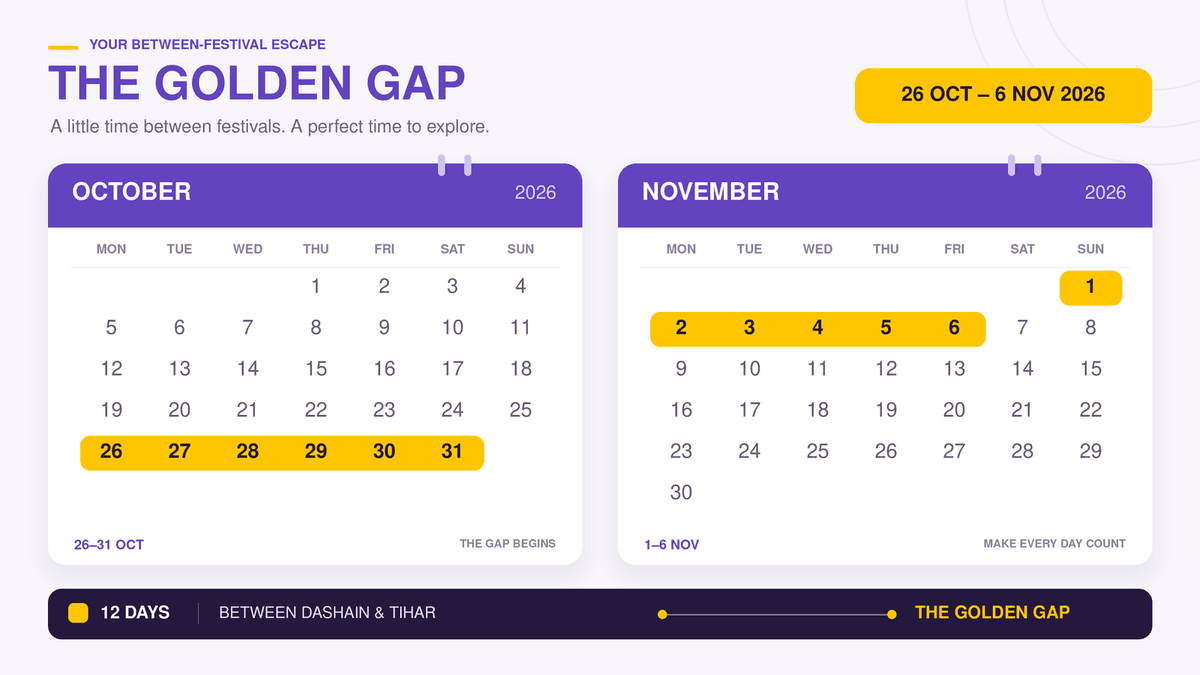
We like to call it the golden gap. In 2026 it runs from Monday, 26 October, the morning after Kojagrat Purnima, to Friday, 6 November, the day before Kaag Tihar. The monsoon is long gone, the Dashain crowds have drained off the highways, and the Tihar rush has not yet hit the tourist towns. If you have ever wanted to see Phewa Lake without fighting for a room, or ride into Sauraha without waiting in line for a jeep safari, these twelve days are your chance.
This guide covers the exact 2026 dates, the smartest days to move, a simple leave trick that stretches your holiday, and short trips that work whether you are in Kathmandu, back in your hometown in the hills, or spending the season in the Tarai.
The 2026 Festival Calendar at a Glance
Before you plan anything, here is how the season falls this year.
Date | Day | What is happening |
|---|---|---|
11 October | Sunday | Ghatasthapana, the start of Dashain |
17–23 October | Saturday–Friday | Dashain public holiday (Fulpati to Duwadashi) |
21 October | Wednesday | Vijaya Dashami, the main Tika day |
25 October | Sunday | Kojagrat Purnima, the last day of Dashain |
26 October – 6 November | Monday–Friday | The golden gap |
7 November | Saturday | Kaag Tihar, the first day of Tihar |
8–12 November | Sunday–Thursday | Tihar public holiday |
11 November | Wednesday | Bhai Tika |
13–16 November | Friday–Monday | Chhath, with the evening arghya on 15 November |
If your family also observes Chhath, the season doesn't really end until the dawn offering on 16 November. We have a separate guide to the most beautiful Chhath ghats in Nepal if you plan to be in the Tarai for it.
Why the Gap Is the Best Travel Window of the Year
The weather is usually at its best. Late October and early November bring the clear, dry skies that trekkers fly halfway around the world for. Mornings are crisp, afternoons are warm, and the Himalaya tends to show itself from every ridge top. That said, nature doesn't read calendars. During Dashain 2025, heavy rain and landslides blocked highways across the country, so always check the forecast and road updates before you leave.
The big crowds come just after it. Last year showed exactly why timing matters. According to reporting from The Kathmandu Post on the 2025 Tihar rush, Sauraha got so crowded over Tihar that simply moving around became difficult, and many visitors struggled to find a room in Pokhara. Hotels in both towns then emptied again as soon as the festival ended. The gap sits right before that wave, which means better rooms, calmer viewpoints and fewer people in your sunrise photos.
The roads are calmer. The return journey after Tika clogs the highways for a few days, and the homeward Tihar rush builds again in early November. In between, buses run with more empty seats and fewer delays at the usual choke points.
The Leave Trick: 10 Days Off, 27 Days of Holiday
Since April 2026, government offices and schools have been closing on Sunday as well as Saturday, although most private companies still work a six-day week. If your workplace follows the Saturday–Sunday weekend, the calendar hands you something rare this year.
The Dashain holiday runs from 17 to 23 October. The 24th and 25th fall on a weekend. The Tihar holiday runs from 8 to 12 November, and the 7th is a Saturday. That leaves only ten working days in between: 26 to 30 October and 2 to 6 November. Take those ten days as leave and you get a single unbroken break from 17 October to 12 November, twenty-seven days in total.
Even if you can only spare four or five days, anchor them around the weekend of 31 October and 1 November and you will get a proper week away. If you work a six-day week, three days of leave from Monday to Wednesday plus the Saturday still gives you a comfortable short trip. Just confirm the details with your HR team first, since holiday rules can differ between employers.
When to Travel Inside the Gap
Not every day in the gap is equal. Here is how we would split it.
26–27 October: sit tight if you can. This is when the last big wave of people heads back to Kathmandu and other cities after Kojagrat. Buses into the valley are full and the Naubise–Nagdhunga stretch can crawl.
28 October – 3 November: the sweet spot. Roads are at their quietest, hotels are still recovering from Dashain, and the weather is usually settled. If you only take one trip, take it now.
4–6 November: the Tihar rush begins. People start heading home for Laxmi Puja and Bhai Tika. If your plan ends with going home for Tihar, book that final leg well in advance, because these are some of the busiest travel days of the year.
Short Trips from Kathmandu
Bandipur: The Hilltop Bazaar That Time Forgot
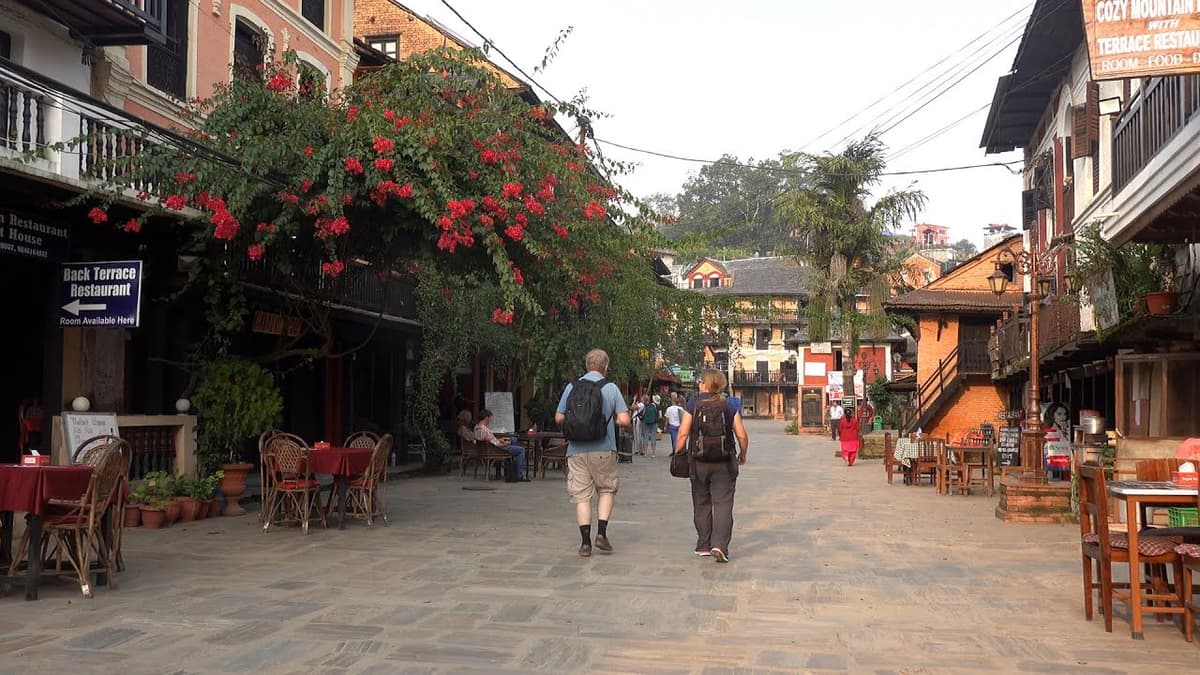
Bandipur is the classic two-day escape, and the gap is the right time for it. The old Newar trading town sits on a ridge above the Prithvi Highway, and its main street is closed to cars, so evenings are spent walking past old brick houses with carved windows and eating on the street instead of dodging traffic. Wake up early for the short walk to Thani Mai temple for a sunrise over the Annapurna and Manaslu ranges, then spend the afternoon at Tundikhel or climbing down into Siddha Gufa, one of the largest caves in the country.
Getting there is simple: take any Pokhara-bound bus, get off at Dumre, and catch a local bus or jeep for the short climb up to the bazaar. Plan on four to five hours from Kathmandu in total.
Kalinchowk: Mountains Up Close, Without the Winter Crowds
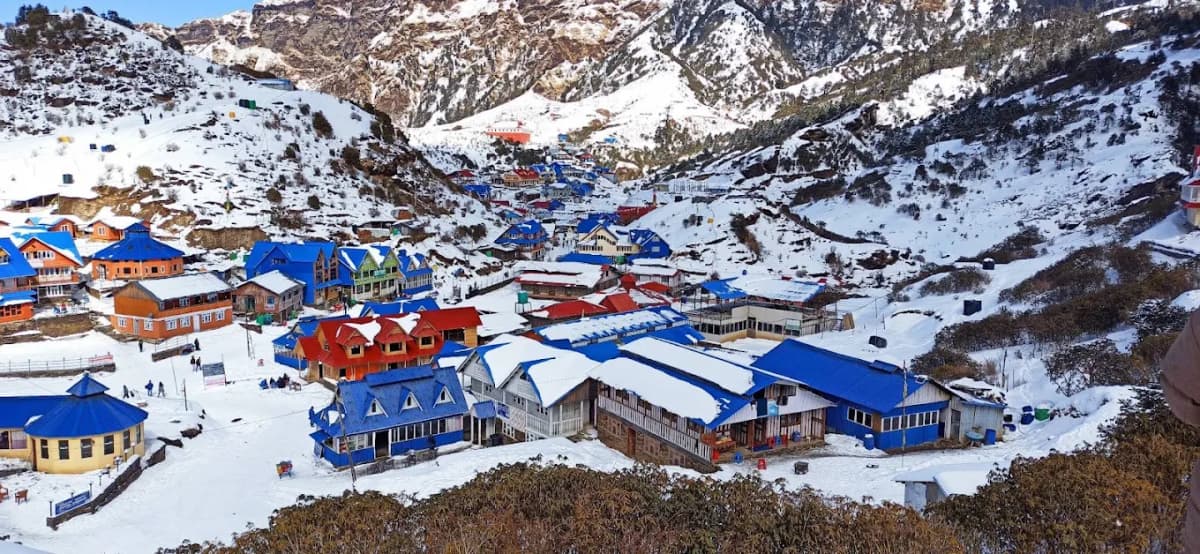
Most people only think of Kalinchowk in January, when Kathmandu drives up to play in the snow. Late October and early November are a completely different experience: the snow is usually not there yet, but the air is clear and the views of Gaurishankar and the surrounding peaks from the 3,842-metre Kalinchowk Bhagwati temple are hard to beat. Kuri village, at the foot of the hill, is roughly a six-hour drive from Kathmandu. From there the cable car takes about five minutes to reach the top, or you can walk up in around an hour and a half.
Public buses run from Kathmandu to Charikot, the Dolakha district headquarters, and jeeps connect Charikot to Kuri. Pack a proper jacket. It gets properly cold up there after dark, even in autumn.
Pokhara: See the Lakeside Before Everyone Else Does
Pokhara is where most of the country goes during Tihar, so going just before it is like having the town to yourself. Take a boat out to Tal Barahi, watch the sunrise from Sarangkot, walk up to the World Peace Pagoda, and let the paragliders do the dramatic part. Our full Kathmandu to Pokhara bus guide covers coach types, travel time and boarding points.
A quick note on the road. The Nagdhunga tunnel was inaugurated on 27 July 2026, but it is opening in phases. As of late August, only vehicles with up to nine seats were allowed through on a trial basis, and buses were still using the old road. Check the current status before you travel, because once coaches are cleared to use it, your exit from the valley will get noticeably quicker.
Chitwan: Safari Season Starts Here
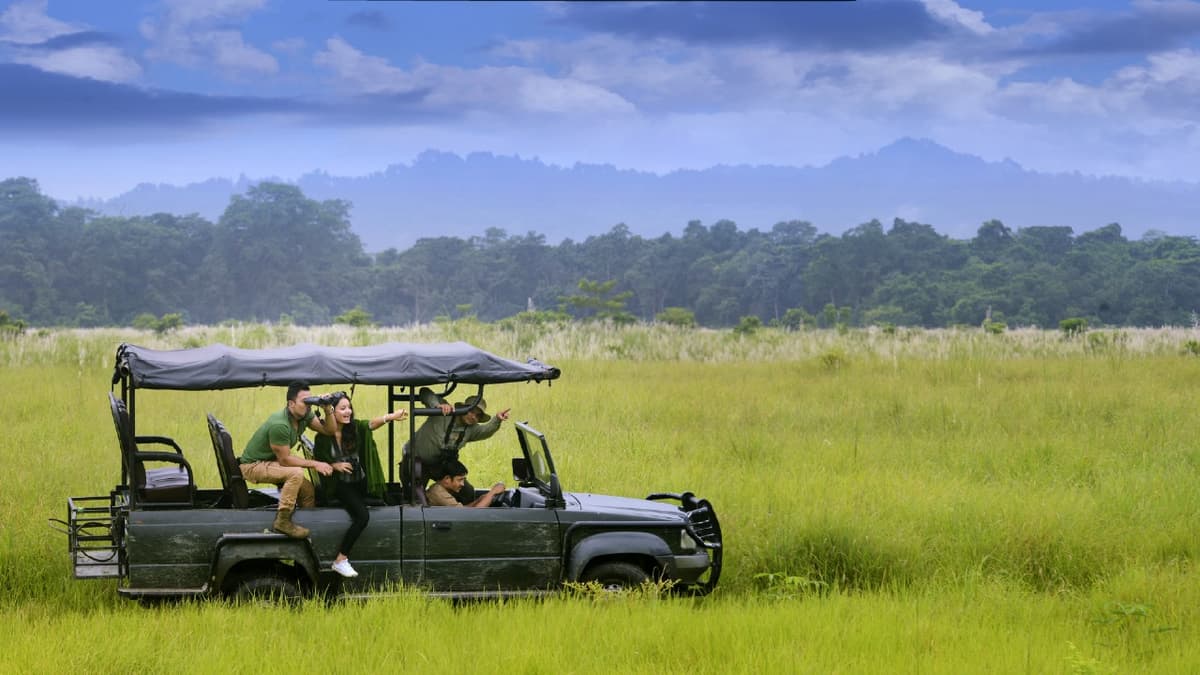
Autumn is when Chitwan comes back to life after the monsoon, with the grasslands standing tall and rhinos wandering out towards the Rapti riverbanks at dusk. Given how packed Sauraha got during Tihar last year, the gap is the smarter time for a jeep safari, a canoe trip on the Rapti, or an evening Tharu cultural show. The Kathmandu to Chitwan bus takes around five to six hours, and if you want to go deeper, our guide to Nepal's national parks covers Chitwan alongside the other twelve.
Short Trips If You Are Spending the Gap at Home
A lot of people don't go back to the city between Dashain and Tihar at all. Students, people working remotely, and families with someone home from abroad often stay put for the whole season. If that is you, there is probably a great trip within a few hours of your front door.
In the East: Ilam's Tea Country and the Koshi Wetlands
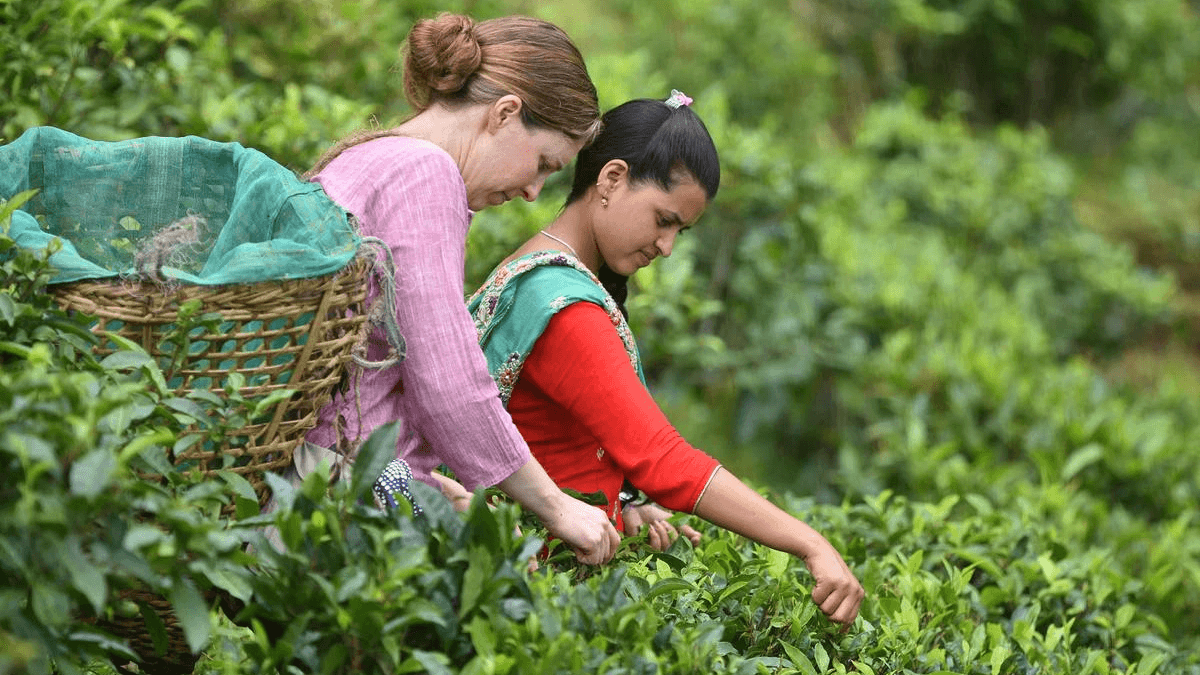
Ilam in late autumn is just rolling tea gardens, cool mornings and clear views. Walk the tea estates at Kanyam, get up in the dark for sunrise at Shree Antu, and bring back more tea than you can drink. It is an easy drive up from the East–West Highway at Charali or Birtamod. If you are coming from further afield, our Kakarbhitta to Kathmandu bus guide covers the far-eastern corridor in detail.
Closer to the plains, the Koshi Barrage at Bhardaha is worth a slow afternoon, and the Koshi Tappu area starts getting interesting for birdwatchers as the cooler months arrive. From Itahari, both are an easy day out.
In Madhesh: Janakpurdham Before the Crowds
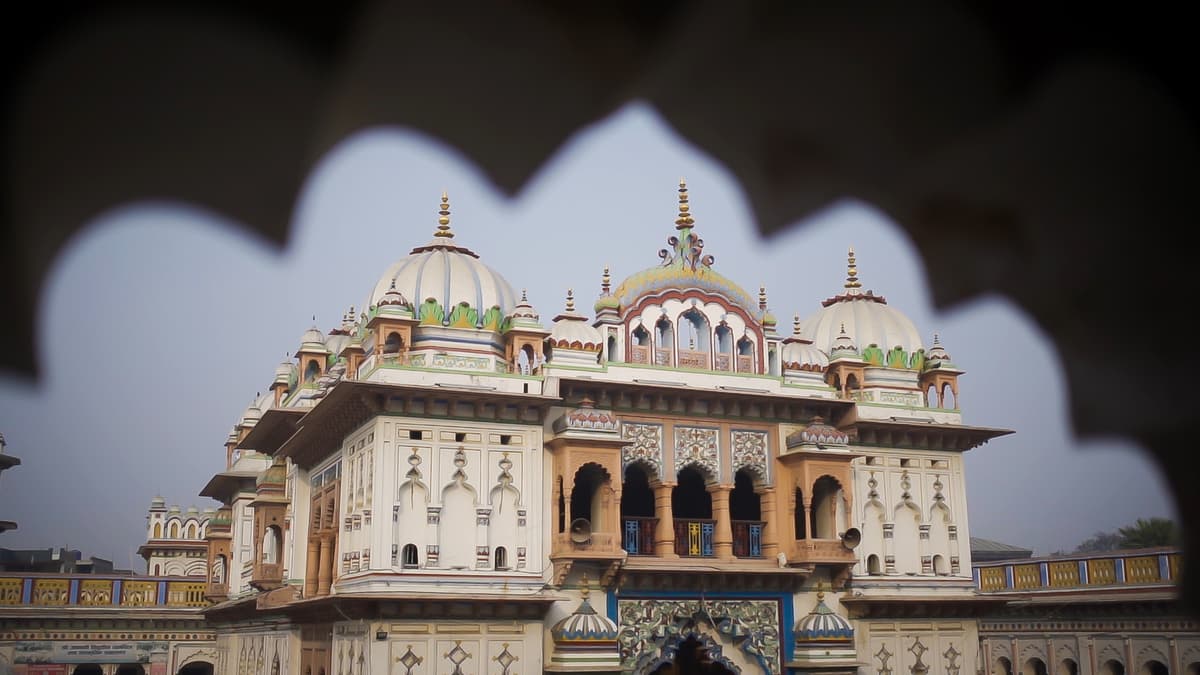
Janakpurdham is lovely in the gap. The heat has broken, the temple city is calm after Dashain, and something special is starting at the ponds: committees at places like Argaja Sagar begin building and decorating the Chhath ghats almost immediately after Dashain. Spend a morning at Janaki Mandir, walk the ponds of the old city in the evening, and you will see Chhath coming together piece by piece. If you are travelling from the capital, our Janakpur to Kathmandu bus guide covers the route in both directions.
In Rupandehi and Palpa: Lumbini and Tansen
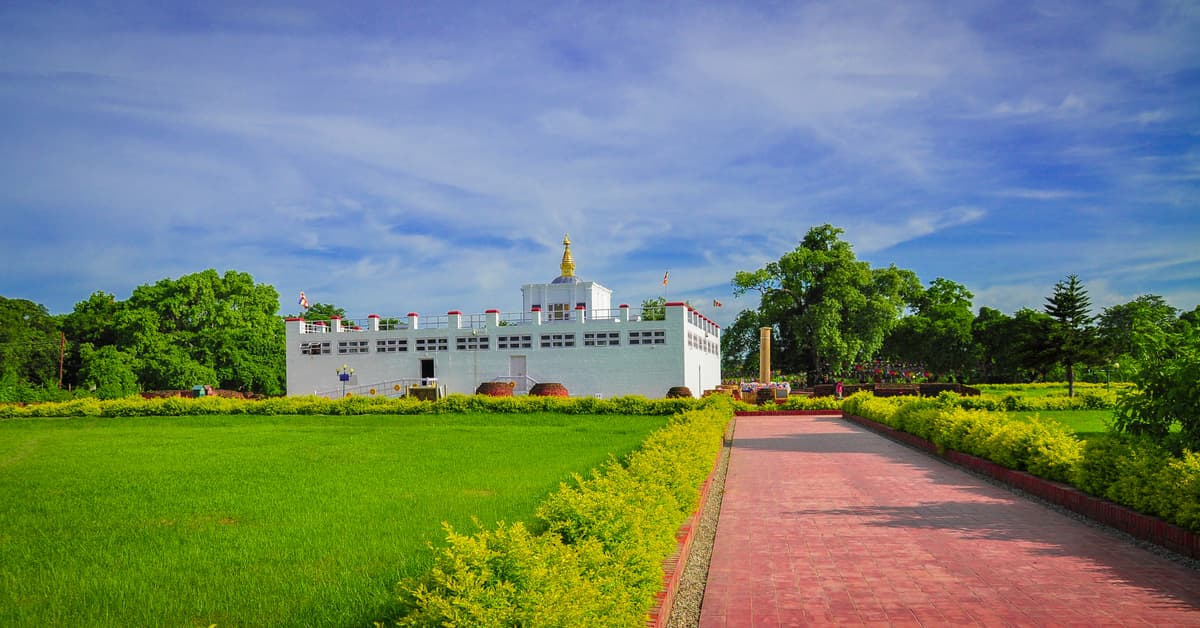
Anyone at home near Butwal or Bhairahawa has two very different trips within easy reach. Lumbini is flat, green and peaceful in late October, and the best way to see the Monastic Zone is to rent a bicycle and ride between the monasteries built by different countries, with the Maya Devi Temple at the centre. Tansen, about two hours up the Siddhartha Highway, is the opposite: steep lanes, Newar architecture, handmade dhaka cloth, and a view of the Himalaya from Srinagar hill above town. Road work on the Siddhababa section can cause delays, so leave early. Our Kathmandu to Bhairahawa bus guide covers the main approach.
In the West: Bardiya and Nepalgunj
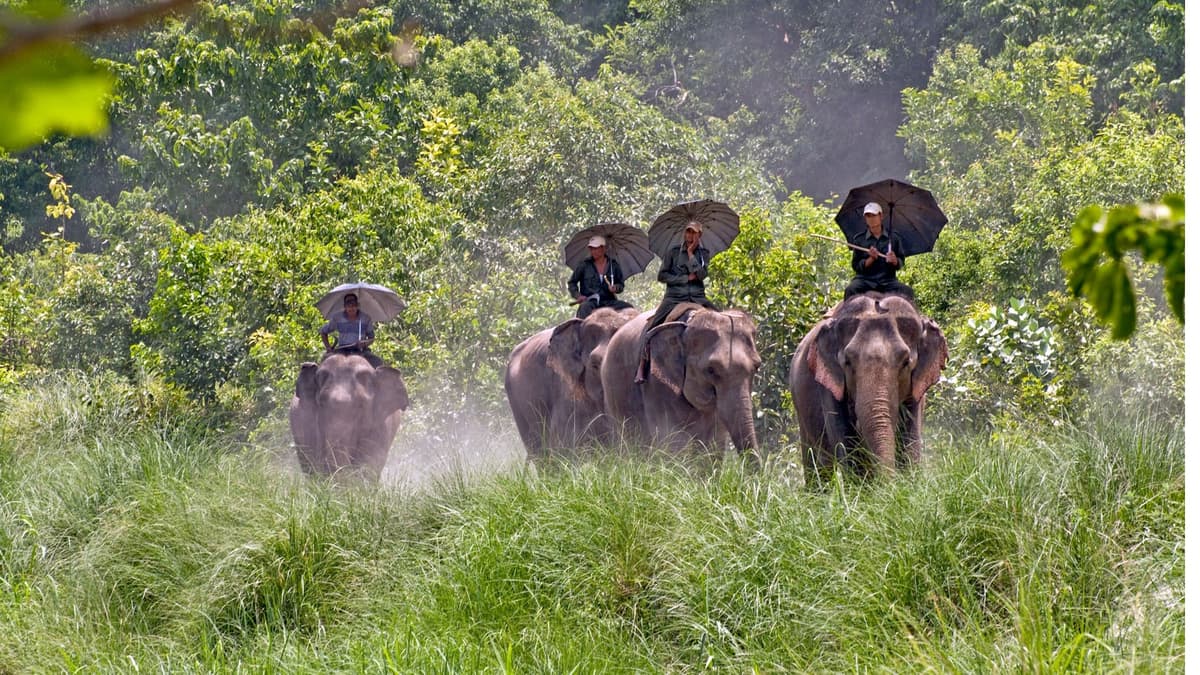
In the far west, the gap is the right time for Bardiya National Park, which is quieter than Chitwan and often lets you have a stretch of the Karnali riverbank almost to yourself. Nepalgunj works well as a base, and our Kathmandu to Nepalgunj bus guide covers the long haul from the capital.
Practical Tips for Travelling in the Gap
Book the return leg with the outward one. The trip itself is easy. What catches people out is coming back, especially if that return trip turns into a journey home for Tihar on 4, 5 or 6 November.
Pack for two seasons. Plains afternoons can still feel warm, while hill nights in Bandipur, Tansen or Ilam are cold, and Kalinchowk is properly freezing after dark.
Check fares live instead of guessing. Fares shift around the festival season and between coach types. Compare real prices and seats on the day you book rather than relying on last year's rate.
Keep one day of slack. Autumn is reliable, but not guaranteed. A spare day protects you from a landslide delay or a late bus eating into your holiday.
Explore Nepal with GoMyGo
The golden gap rewards people who plan a little ahead. The trips in this guide run along some of the country's busiest corridors, from the Prithvi Highway to the East–West Highway, and the difference between a relaxed break and a stressful one usually comes down to having a confirmed seat both ways.
You can compare coach types, departure times and live seat availability across the GoMyGo app, available on Android and iOS, and the GoMyGo website, then lock in your seats for both legs of the trip in a few minutes.
Payment is handled through the options most travellers to and within Nepal already use — eSewa, Khalti, IME Pay, fonePay and ConnectIPS for domestic users, Indian UPI and PayPal for visitors. That matters on a corridor that carries a large share of Indian and international travellers alongside domestic passengers.
Every booking comes with instant confirmation by email and SMS, and if anything changes on the road, 24/7 support is available on WhatsApp at +977-9704666777.
Final Words
Most of us spend the days between Dashain and Tihar doing nothing in particular, half at work and half still at home in our heads. This year, give those days a purpose. Pick one trip, whether it is a sunrise over the Annapurnas from Bandipur, a quiet boat on Phewa before the crowds arrive, or an evening watching Janakpur's ponds get ready for Chhath, and book it before everyone else wakes up to the idea. The gap only lasts twelve days. Spend them well, and come home for Tihar with more than leftover sel roti to show for it.
Frequently Asked Questions
Written by
GoMyGo Team
The GoMyGo team covers Nepal travel, bus routes, booking tips, and everything you need for a smoother journey.